

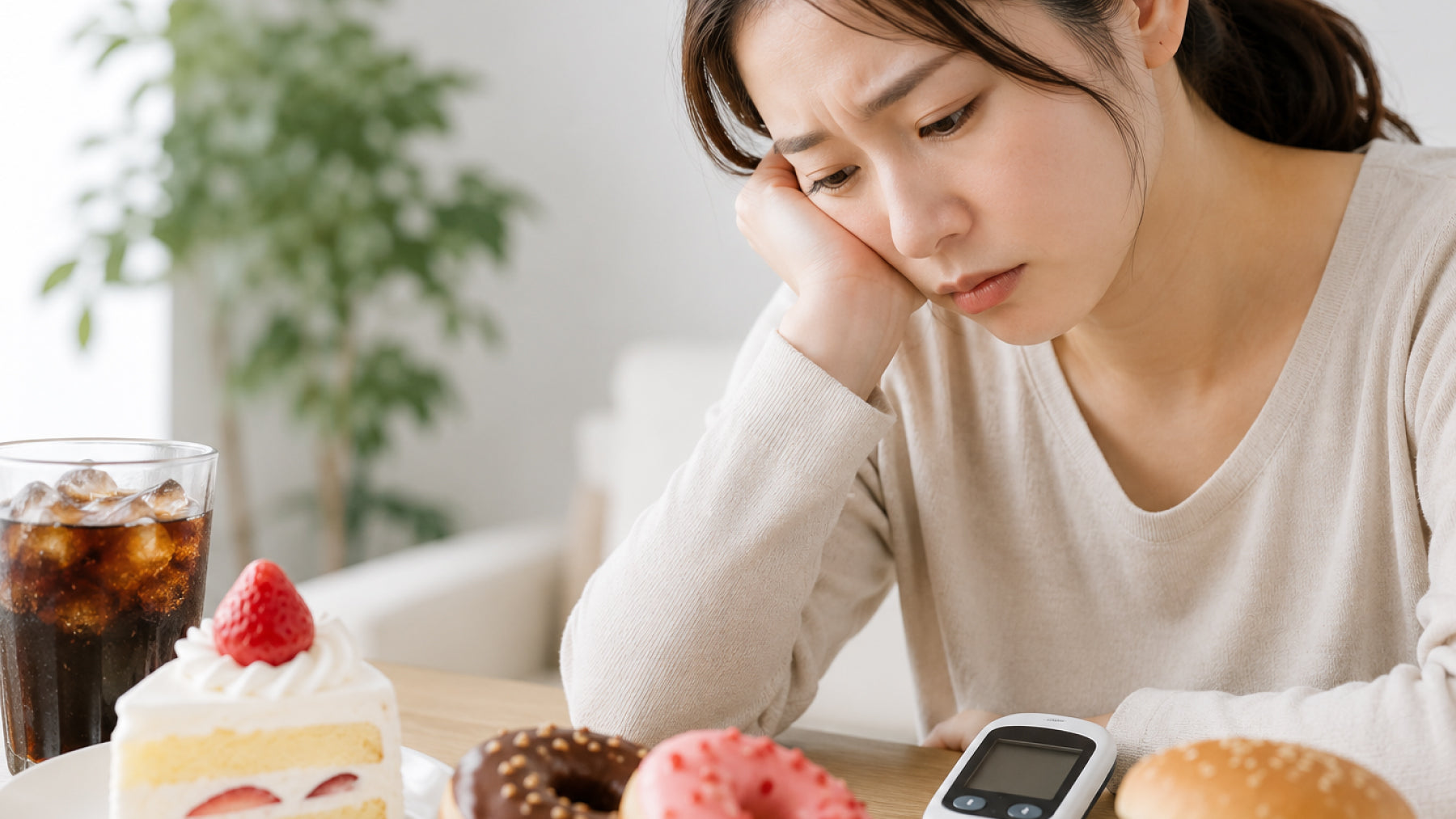
Can't Be Detected in a Medical Check-up? Beware of "Hidden High Blood Sugar"
"I had a clean bill of health at my check-up, but I get very sleepy after meals." "I've been feeling inexplicably tired lately." If these sound like you, you might be experiencing hidden hyperglycemia.
When people hear "hyperglycemia," many think of diabetes, but the truth is that it can be difficult to detect solely from health check-up results. Since it can put a strain on blood vessels without you realizing it, early action is crucial.
What is Hidden Hyperglycemia?
Hidden hyperglycemia is not an official medical term, but it generally refers to a state where:
・Fasting blood sugar levels are within the normal range
・No abnormalities are pointed out in health check-ups
・However, blood sugar levels rise significantly after meals
Blood sugar levels fluctuate with meals, so measuring them only when fasting may not reveal the true picture.
Why Post-Meal Blood Sugar is Important
It is a natural reaction for blood sugar levels to rise after eating.
However,
・A rapid rise
・Remaining high for a long time
・Repeated sharp drops
These conditions can put a significant burden on the body.
Such rapid fluctuations are known as "glucose spikes" and have been attracting attention in recent years.
Do You Have Any of These Signs?
Symptoms that may be observed in people with hidden hyperglycemia include:
・Feeling very sleepy after meals
・Can't stop eating sweets
・Easily fatigued
・Difficulty concentrating
・Feeling hungry easily
・Easily irritable
However, it is not uncommon for there to be no noticeable symptoms at all.
Who is Prone to Hidden Hyperglycemia?
Those with the following habits should be careful:
Frequent consumption of sweet breads and desserts
Frequent consumption of soft drinks
Insufficient vegetable intake
Lack of exercise
Short sleep duration
High stress levels
Habit of eating quickly
Modern lifestyles are said to be an environment where blood sugar levels are easily disrupted.
Tips to Prevent Rapid Blood Sugar Spikes
Eat fiber first
Eating vegetables, mushrooms, and seaweeds first can slow down sugar absorption.
Chew thoroughly and eat slowly
Eating too quickly tends to lead to rapid blood sugar spikes.
Light physical activity after meals
Even a 10-20 minute walk after meals is said to help with blood sugar control.
Choose snacks wisely
Rather than completely avoiding snacks, consider these tips:
Reduce sugar content
Choose items that contain dietary fiber
Incorporate good fats and proteins
These adjustments are recommended.
"How to choose" is more important than "giving up sweets"
Trying to completely abstain from sweets for health reasons can sometimes lead to more stress.
What's important is to maintain habits that you can enjoy without overdoing it, while minimizing the burden on your blood sugar levels.
Make choices that care for your body by cleverly utilizing low-sugar sweets and snacks containing dietary fiber.
Summary
Hidden hyperglycemia can be difficult to detect solely from health check-ups, but if left untreated, it can lead to future health risks.
It is important not to overlook small signs such as "feeling sleepy after meals" or "getting tired easily," and to review your diet and lifestyle habits.
Being a little more mindful of your daily meals and snack choices might be the first step towards your future health.
・Click here for a list of low-sugar (approx. 10g sugar) sweets and cakes>>
・Click here for a list of sugar-free (5g or less sugar, low-GI) sweets and cakes>>
Sweets Specialty Store for Your Body - BEYOND SWEETS
[BEYOND SWEETS' 3 Categories]
■BEYOND1 Beauty & Diet>>
■BEYOND2 Medical & Sports>>
■BEYOND3 Allergy-Friendly>>
PICK UP
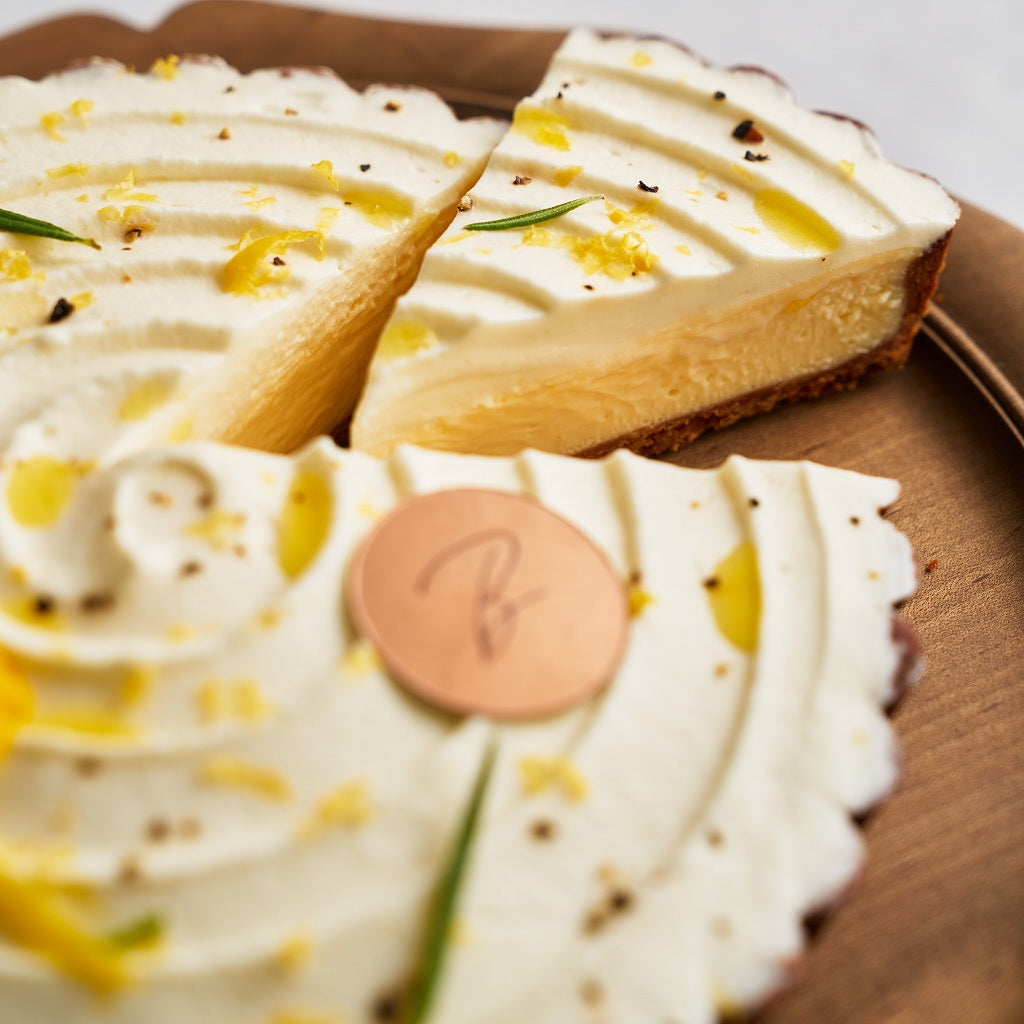
![[Room Temperature Delivery] Plant-Based Jelly|YUMMY+ 3-Pack](http://www.beyondsweets.com/cdn/shop/files/26-04-28_DSC7979.jpg?v=1777432489&width=1024)
![[Room Temperature Delivery] Plant-Based Jelly | YUMMY+ Set of 6](http://www.beyondsweets.com/cdn/shop/files/26-04-28_DSC7981.jpg?v=1777432489&width=1024)
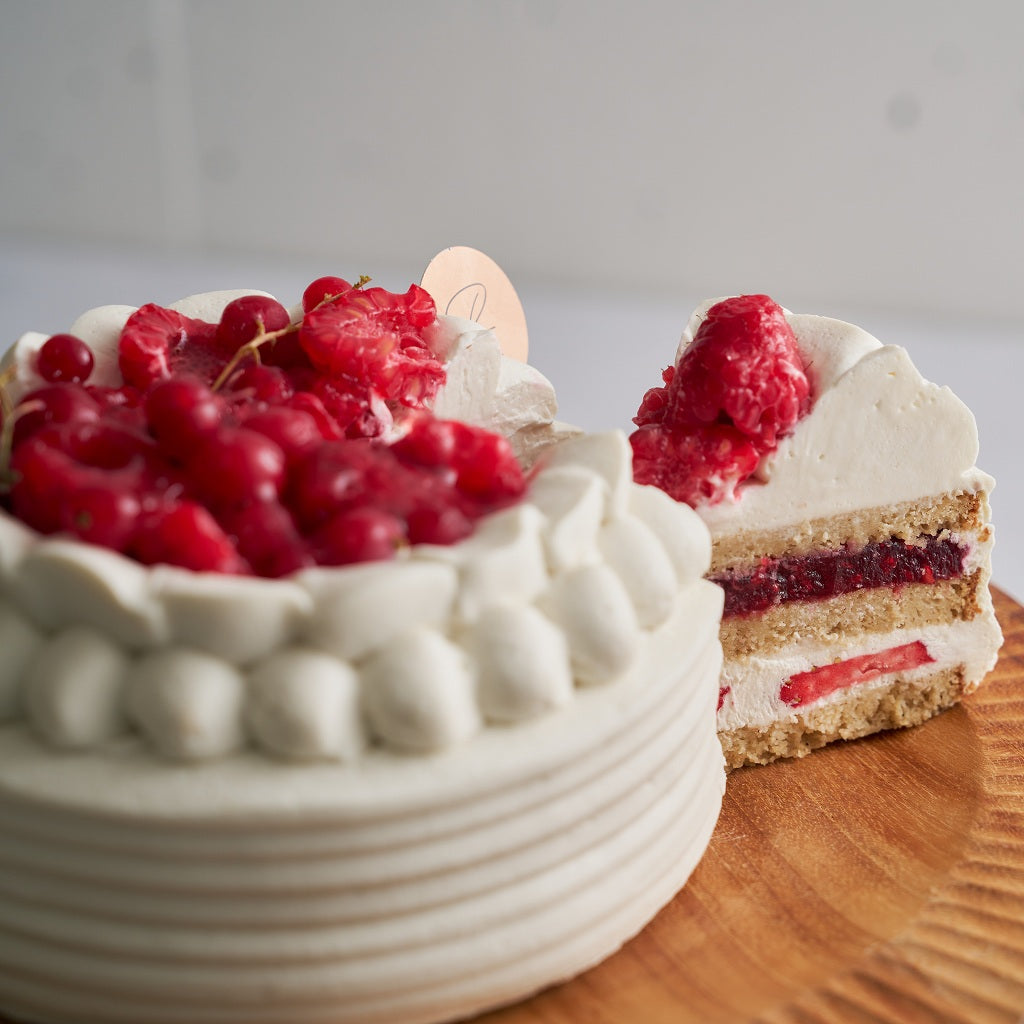
![[Free shipping, room temperature delivery] Plant-based | Baked Goods Gift HISUI, 1-tier [11 pieces]](http://www.beyondsweets.com/cdn/shop/files/26-04-28_DSC7950.jpg?v=1777432489&width=1024)
![[Free shipping, room temperature delivery] Low-carb | Baked Goods Gift HISUI 1-Tier [10 pieces]](http://www.beyondsweets.com/cdn/shop/files/26-04-28_DSC7955.jpg?v=1777432489&width=1024)


