
Why natural sweeteners are more expensive than refined sugar: To deliver the blessings of nature as they are.
As health consciousness rises, more people are choosing "natural sweeteners" like monk fruit, agave syrup, and cane sugar.
However, when you go to buy them, you might be surprised by how much more expensive they are than white sugar.
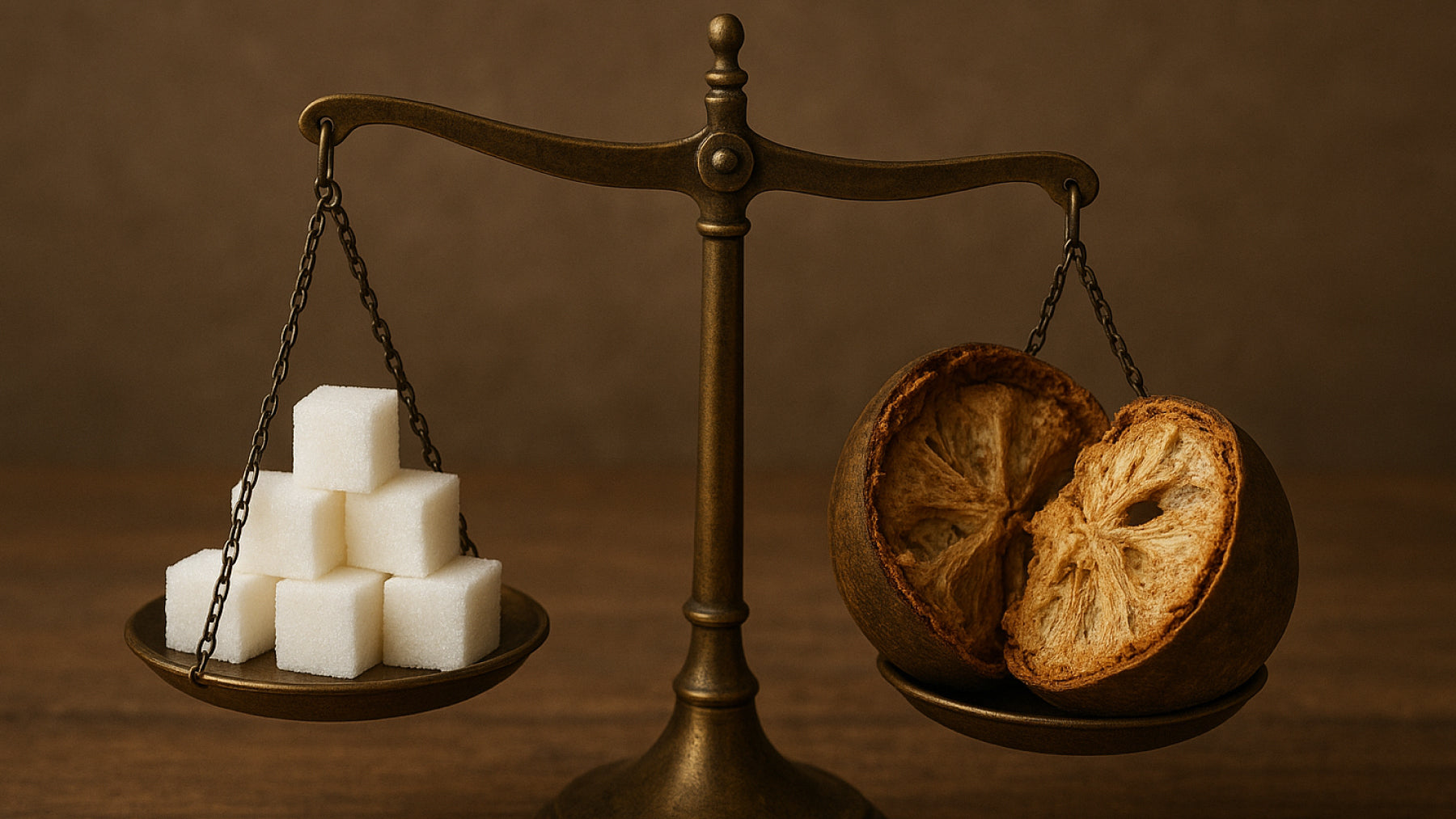
The reason for this isn't simply "they're expensive because they're health-oriented," but rather it's firmly rooted in differences in raw materials, manufacturing methods, and distribution.
1. The raw materials themselves are rare.
Sugarcane and sugar beets, the raw materials for white sugar, are cultivated on a large scale worldwide, and efficient systems for extracting sugar are well-established.
On the other hand, monk fruit grows only in limited areas, such as China's Guilin region, and most of the harvesting is done by hand.
Agave, the raw material for agave syrup, grows in the dry highlands of Mexico and takes 7 to 10 years to harvest.
In other words, because the growing locations and time are limited, the raw materials themselves become expensive.
2. The manufacturing process is delicate and time-consuming.
The refining of white sugar has been automated and made efficient through years of technology.
In contrast, natural sweeteners require repeated low-temperature extraction and filtration to "avoid destroying their natural nutrients and flavors."
For example, in the case of monk fruit, careful manufacturing that avoids heat and oxidation is essential to preserve mogroside, its unique sweet component.
This naturally increases the time and cost involved.
3. "Not over-refining" increases costs.
Natural sweeteners such as cane sugar and brown sugar are minimally refined to preserve their minerals and flavor.
As a result, they are susceptible to humidity and require careful storage and transport.
In other words, the more "natural" they are kept, the more effort is required for management—this is also a factor affecting the price.
4. Production volume is low, making economies of scale difficult to achieve.
White sugar is consumed in enormous quantities worldwide, so a mass production system is in place.
On the other hand, many natural sweeteners are products aimed at a niche market of health-conscious consumers, and their low production volume makes it difficult to reduce costs.
Summary: There's a reason they're expensive.
The price of natural sweeteners reflects the time and effort involved in making them while preserving nature's bounty.
It embodies the producers' stance of "drawing out sweetness naturally, without using additives."
While they cannot be produced as cheaply and in as large quantities as white sugar,
natural sweeteners offer value beyond their price: "sweetness that values the flavor of the ingredients and gentleness to the body."
・Click here for a list of low-carb sweets and cakes (approx. 10g carbs) >>
・Click here for a list of sugar-free (5g or less carbs, low GI) sweets and cakes >>
BEYOND SWEETS: A Specialty Shop for Body-Friendly Sweets
[BEYOND SWEETS' Three Categories]
■BEYOND1 Beauty & Diet>>
■BEYOND2 Medical & Sports>>
■BEYOND3 Allergy-Friendly>>
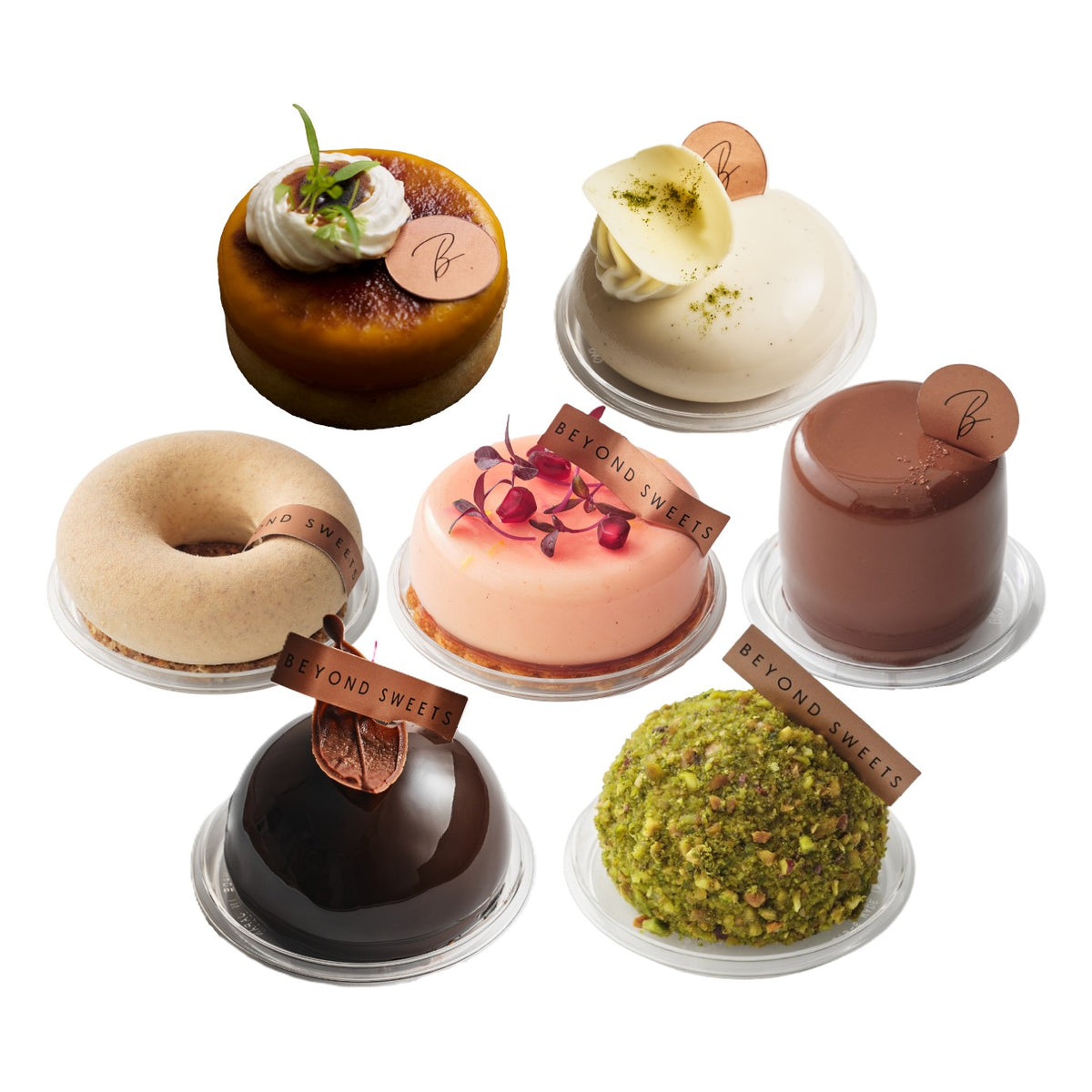
All sweets made at BEYOND SWEETS contain no refined sugar (white sugar),
and are sweetened only with natural sweeteners such as monk fruit, agave syrup, and cane sugar.
![[Frozen Delivery] Plant-Based Cake | Berry Gateau Chocolat (4-inch)](http://www.beyondsweets.com/cdn/shop/files/26-07-08_DSC9470.jpg?v=1790573107&width=1024)

![[Frozen Delivery] Plant-Based Strawberry & Berry Shortcake (4-inch)](http://www.beyondsweets.com/cdn/shop/files/26-07-08_DSC9507.jpg?v=1790571374&width=1024)
![[Frozen Delivery] Noel Petit Assortment 2026](http://www.beyondsweets.com/cdn/shop/files/26-07-08_DSC9435.jpg?v=1790576309&width=1024)