
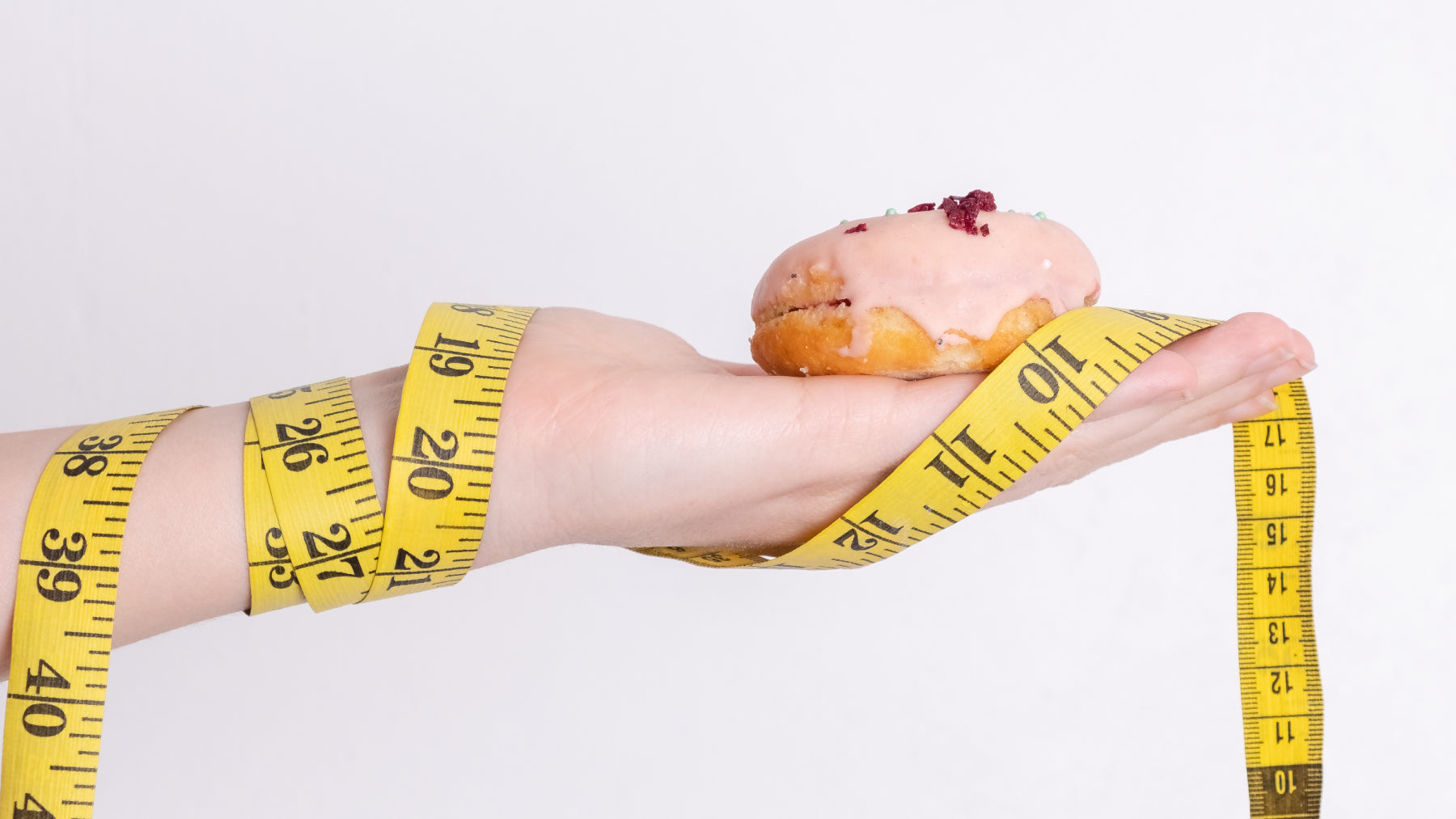
What is "low carb"? Is it too late to ask now? Definition and concept
In recent years, the term "low-carb" has become more common in convenience stores and supermarkets.
There are an increasing number of products with reduced sugar content, such as bread, sweets, and beverages.
Did you know that there is actually no clear legal definition of the term "low-carb"?
■ "Low carb" not defined by law
In Japan, there is the Nutrition Labeling Standards System (Consumer Affairs Agency) which stipulates the labeling of nutritional information on food.
In this system, numerical standards are set for expressions such as "low calorie," "low fat," and "sugar-free."
There is no numerical standard for the term "low carb."
For example, "sugar-free" and "zero sugar"
The clear rule is that it can only be used if it contains less than 0.5g of sugar per 100g.
However, "low carb" is a freely used expression.
The current situation is that the degree to which sugar content is reduced varies from product to product.
■ "Low carbohydrate" as a general guideline
Although there is no legal definition,
From a nutritional perspective, the following general guidelines are often used:
20g or less of carbohydrates per meal: A commonly used standard for a low-carbohydrate diet
70-130g of carbohydrates per day: The so-called "gentle carbohydrate restriction" range (Lo-Carb® concept)
In addition, the registered trademark "Locabo®"
The recommended amount of carbohydrates per meal is 20-40g, with snacks limited to 10g or less.
In this way, the term "low-carb" is used to imply a relatively low level of carbohydrates rather than a specific numerical value.
*Food, Fun and Health Association (General Incorporated Association)
■ Things to be aware of when it comes to "low carb" labels When you hear "low carb," you might think it's "good for your body" or "effective for dieting," but
It cannot be said that reducing carbohydrates is necessarily good for your health.
Carbohydrates are an important source of energy for the human body,
Excessive carbohydrate restriction can actually make you unwell.
In addition, in product displays and advertisements,
Expressions that assert health benefits, such as "improvement of diabetes" or "loss of weight," are subject to the Pharmaceutical and Medical Device Act.
For this reason, expressions such as "We have reduced the carbohydrate content" or "We have taken carbohydrates into consideration" are common.
■ Key points when choosing "low carb" Don't be fooled by the word "low carb"
It is recommended that you actually check the "sugar content" and "carbohydrate content" on the nutritional information label.
The amount of carbohydrates is calculated by subtracting dietary fiber from carbohydrates.
Another thing to check is whether artificial sweeteners or fats have been increased in order to reduce carbohydrates.
■Summary: "Low carb" is actually a free expression with no legal standards.
That is why it is important for consumers to be aware of the content themselves.
By knowing the ingenuity and balance of materials behind the numbers,
You can find a way to deal with sugar that suits you.
・Click here for a list of low-carb (around 10g of carbs) sweets and cakes>>
・Click here for a list of low-carb (5g or less carbohydrates, low GI) sweets and cakes>>
BEYOND SWEETS: A store specializing in healthy sweets
[Three categories of BEYOND SWEETS]
■BEYOND1 Beauty and Diet>>
■BEYOND2 Medical Sports>>
■BEYOND3 Allergy Friendly>>
PICK UP
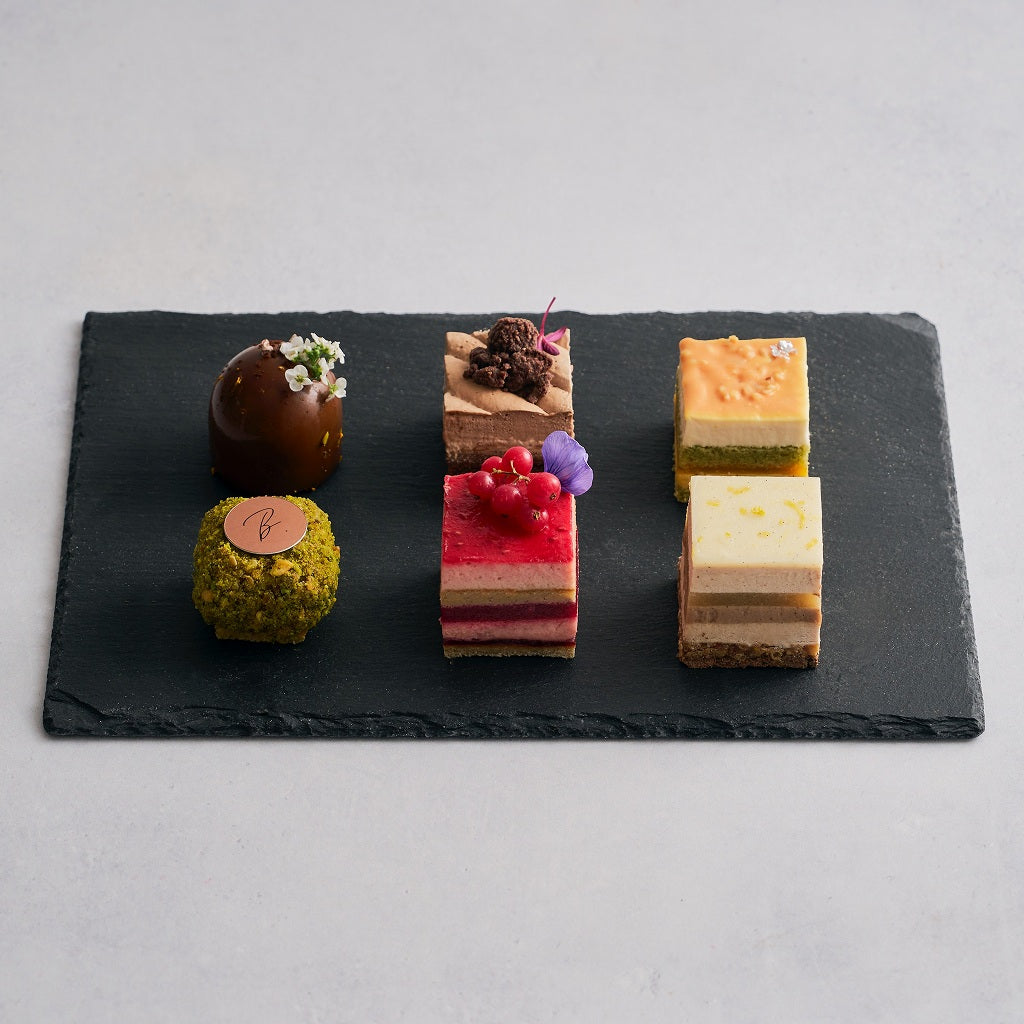
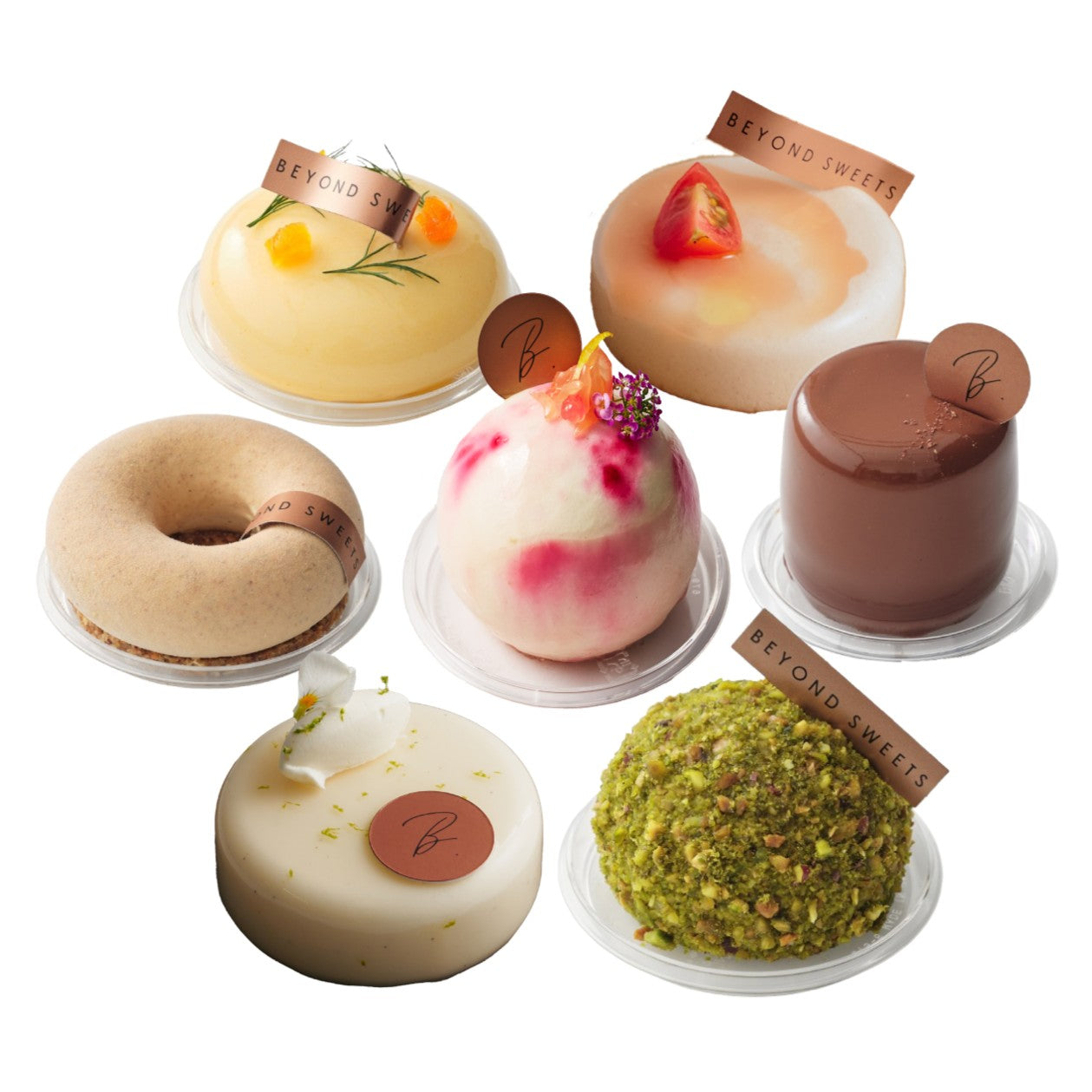
![[Room Temperature Delivery] Plant-Based Jelly|YUMMY+ 3-Pack](http://www.beyondsweets.com/cdn/shop/files/26-04-28_DSC7979.jpg?v=1777432489&width=1024)
![[Room Temperature Delivery] Plant-Based Jelly | YUMMY+ Set of 6](http://www.beyondsweets.com/cdn/shop/files/26-04-28_DSC7981.jpg?v=1777432489&width=1024)

![[Free shipping, room temperature delivery] Plant-based | Baked Goods Gift HISUI, 1-tier [11 pieces]](http://www.beyondsweets.com/cdn/shop/files/26-04-28_DSC7950.jpg?v=1777432489&width=1024)
![[Free shipping, room temperature delivery] Low-carb | Baked Goods Gift HISUI 1-Tier [10 pieces]](http://www.beyondsweets.com/cdn/shop/files/26-04-28_DSC7955.jpg?v=1777432489&width=1024)

